
Top 10 UPS Manufacturers in India 2026
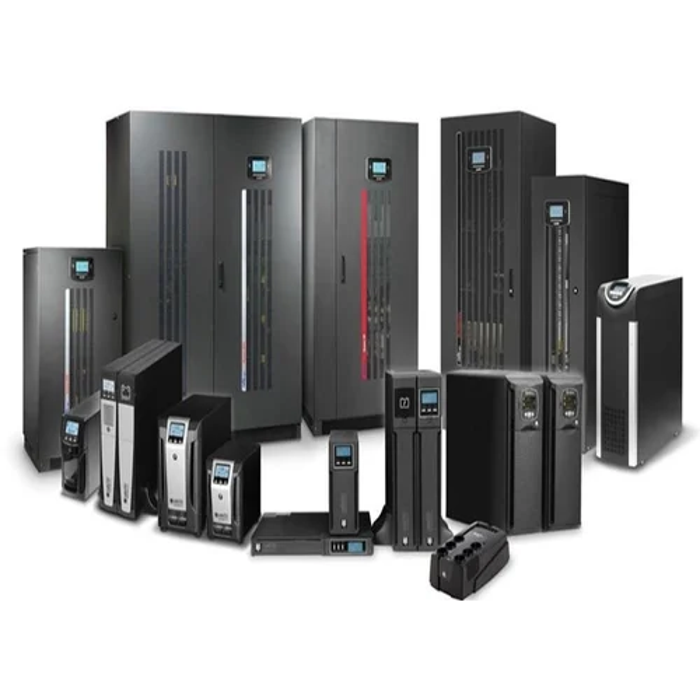


Nextsoft Engineering & Solution (NES), is leading UPS manufacturers, suppliers and exporters in India. We offer the best quality of Uninterruptible Power Supply (UPS) systems, designed to provide reliable power backup and protection for critical equipment during power outages, voltage fluctuations, and electrical disturbances.
Our UPS systems ensure uninterrupted operations, improve power reliability, protect sensitive devices, and provide cost-effective power management solutions. We use advanced technology and innovative engineering in our UPS solutions, integrated with high-performance components, energy-efficient designs, and intelligent monitoring features.
Whether for industrial facilities, commercial establishments, hospitals, data centers, IT infrastructure, or manufacturing units, our UPS systems are designed to deliver maximum efficiency, durability, and long-lasting performance. We focus on providing customized power backup solutions that meet diverse operational requirements.
Let’s explore our wide range of UPS systems and discover how they provide seamless power continuity, enhanced equipment protection, and reliable performance across various applications and industries.
Why Is a UPS System Essential for Uninterrupted Power Protection?
A UPS (Uninterruptible Power Supply) is an advanced electrical system that provides immediate backup power during voltage fluctuations, outages, or electrical failures. It protects sensitive equipment from unexpected downtime and power damage while ensuring smooth operation continuity. UPS systems are widely used across industries such as healthcare, manufacturing, IT, telecom, and commercial infrastructure where uninterrupted electricity is critical for operational safety, productivity, and equipment protection. These advanced uninterrupted electricity systems are essential for maintaining reliable operations in critical environments.
Types of UPS
As UPS Manufacturers in India, we offer a wide range of advanced UPS solutions designed to deliver reliable power backup, voltage protection, and uninterrupted performance for residential, commercial, and industrial applications.
- Online UPS As a top Online UPS manufacturer, we offer systems that provide continuous, clean power by converting incoming AC power into DC and then back to AC. This ensures maximum protection against voltage fluctuations and is ideal for critical operations such as data centers, hospitals, and IT facilities.
- Offline UPS Our Offline UPS solutions supply power directly from the main source and switch to battery backup during outages. These systems are perfect for small offices, homes, and basic electronic devices, providing reliable power when you need it most.
- Line Interactive UPS Designed for moderate applications, these UPS systems automatically regulate voltage fluctuations without frequently switching to battery mode. This enhances battery life while ensuring stable performance for offices and commercial setups.
- Three Phase UPS Our Three-Phase UPS systems are built for heavy industrial applications that require high-capacity power backup. Ideal for large machinery, industrial automation systems, and data centers, these UPS solutions ensure uninterrupted operations even in demanding environments.
- Single Phase UPS Perfect for smaller commercial setups and office equipment, our Single-Phase UPS systems offer reliable backup power with efficient energy management, keeping your essential operations running without interruption.
- Modular UPS These scalable systems allow businesses to expand power capacity by adding additional modules as requirements grow. Modular UPS solutions offer flexibility, simplified maintenance, and minimized downtime, making them perfect for evolving industrial and commercial setups.
Our range of UPS systems ensures continuous power for your operations. For complete backup solutions, check out our high-performance UPS battery chargers .
Test Cases of UPS
As UPS manufacturer in India, we conduct comprehensive UPS testing procedures to ensure consistent performance, operational safety, battery reliability, and uninterrupted power delivery under various working conditions.
| Test Case | Purpose | Expected Result |
|---|---|---|
| Power Failure Test | Verify backup activation during outage | UPS instantly supplies backup power |
| Battery Backup Test | Check battery runtime performance | System operates continuously for expected duration |
| Voltage Fluctuation Test | Validate voltage stabilization | Stable output voltage maintained |
| Overload Protection Test | Ensure safety during excessive load | UPS protects connected equipment |
| Alarm Function Test | Verify alert notifications | Audible and visual alarms activate properly |
| Switching Time Test | Measure transition speed | No interruption to connected devices |
| Battery Charging Test | Confirm charging functionality | Battery recharges efficiently after usage |
Key features & advantages of UPS
As UPS Manufacturers in India, we provide technologically advanced UPS systems with high efficiency, intelligent monitoring, stable power output, and long-lasting backup support for critical business operations.
- Advanced UPS Battery Backup Systems: Our advanced UPS battery backup systems provide immediate backup power during outages and protect critical equipment from sudden voltage fluctuations and electrical failures.
- High-Performance Static UPS Systems: High-performance Static UPS systems ensure fast power switching and uninterrupted electricity supply, helping businesses maintain smooth and continuous operations.
- Integrated Power Conditioning Equipment: Integrated power conditioning equipment maintains stable voltage and clean power output, reducing the risk of equipment damage, system crashes, and data loss.
- Durable Heavy Duty UPS Systems: Durable Heavy duty UPS systems are specially designed for industrial and commercial environments, delivering reliable long-term performance under demanding workloads.
- Smart Monitoring & Energy Efficiency: Smart monitoring technology enables real-time performance tracking, improves energy efficiency, and supports scalable power management for growing business infrastructure. Our systems also function as reliable power protection equipment for sensitive electrical applications.
We also manufacture high-quality industrial inverters designed for continuous and stable power supply in critical applications. Learn more about our industrial inverter manufacturing solutions.
Applications of UPS
As UPS Suppliers and Exporters in India, our UPS solutions are widely used across healthcare, IT, telecom, manufacturing, commercial, and industrial sectors to ensure continuous power supply and operational stability.
- Hospitals: Reliable UPS for hospitals provide uninterrupted backup power for medical equipment, operation theaters, ICU units, and emergency healthcare infrastructure during electrical failures. Learn more about healthcare infrastructure standards from World Health Organization (WHO).
- Data Centers: Advanced UPS for data centers protect servers, networking devices, and storage systems by delivering continuous power supply and preventing critical data loss.
- Telecom Industry: High-performance UPS for telecom industry ensure stable operation of telecom towers, communication networks, and transmission equipment without service interruptions.
- Manufacturing Plants: Durable UPS for manufacturing plants support industrial machinery, automation systems, and production lines by minimizing downtime caused by power fluctuations. Learn more about industrial automation standards from ISO.
- UPS for IT Infrastructure: Efficient continuous power supply solutions safeguard computers, networking systems, and enterprise applications from unexpected shutdowns and hardware damage.
- UPS for Commercial Buildings: Reliable Commercial UPS systems maintain uninterrupted operation of elevators, lighting, security systems, and essential commercial infrastructure.
- UPS Systems for Industries: Advanced high-capacity UPS systems and backup power infrastructure solutions ensure stable power management for factories, warehouses, and industrial facilities. Electrical industry standards can be found at IEC.
Why Choose Us?
- 450+ Successfully Delivered Projects: With over 450 completed projects across multiple industries, As UPS Suppliers in India, we have built a strong reputation for delivering reliable UPS solutions that meet diverse commercial and industrial power backup requirements. We are also recognized as a trusted Energy backup systems supplier for critical applications.
- 7+ Years of Industry Expertise: Backed by 7 years of experience, we provide technically advanced and customized UPS systems designed to ensure long-term performance, operational safety, and uninterrupted power supply with efficient emergency power backup support.
- Trusted Quality & End-to-End Support: As UPS Manufacturers in India, we focus on high-quality manufacturing, competitive pricing, expert installation, responsive UPS maintenance services, professional UPS repair services, and reliable AMC for UPS systems to deliver complete customer satisfaction and dependable power protection solutions.
Choose Nextsoft Engineering & Solution (NES) is reliable UPS Manufacturers, Suppliers and Exporters in India. We are committed to delivering dependable and high-performance UPS solutions that ensure uninterrupted business operations and equipment safety. With quality-focused manufacturing, professional support, customized power backup systems, and timely battery replacement for UPS, we help industries and businesses achieve reliable power protection with confidence, efficiency, and long-term operational stability. Reach out to us for additional details.
Frequently Asked Questions About UPS Systems
What is a UPS and how does an Uninterruptible Power Supply work?
A UPS (Uninterruptible Power Supply) is a backup power system that provides temporary electricity to connected equipment when the main power supply fails. It also helps protect sensitive equipment from power surges, voltage fluctuations, and electrical disturbances.
Why is a UPS important for businesses?
A UPS is important for businesses because it provides backup power during outages and protects critical equipment from electrical disturbances. A reliable UPS helps minimize downtime, prevent data loss, and maintain essential business operations during power interruptions.
How does a UPS protect equipment from power fluctuations?
A UPS helps protect connected equipment by regulating or conditioning the incoming power and providing backup power when required. Depending on the UPS type, it can help protect against voltage fluctuations, power surges, spikes, and sudden power failures.
How long can a UPS provide backup power?
UPS backup time depends on the UPS capacity, battery capacity, and total connected load. Depending on the system and application, a UPS can provide backup power for a few minutes to several hours. Additional batteries may be required when longer backup time is needed.
How do I choose the right UPS capacity for my business?
To choose the right UPS capacity, consider the total power consumption of the equipment that needs protection, the required backup time, and future load requirements. The UPS should have sufficient capacity to handle the connected load while providing the required backup performance.
What are the different types of UPS systems?
The main types of UPS systems are standby UPS, line-interactive UPS, and online double-conversion UPS. Each type offers different levels of power protection, efficiency, voltage regulation, and backup performance for different applications.
What is the difference between an online UPS and an offline UPS?
An online UPS continuously supplies conditioned power to connected equipment and provides a high level of protection against power disturbances. An offline UPS normally supplies utility power and switches to battery power when a power failure occurs. The appropriate choice depends on the equipment and level of protection required.
How often should UPS batteries be replaced?
UPS batteries typically need to be replaced every 3 to 5 years, although battery life can vary depending on usage, operating temperature, maintenance, and battery type. Regular battery testing and maintenance can help identify battery degradation and maintain reliable backup performance.
How can I extend the life of my UPS battery?
UPS battery life can be extended through regular maintenance, proper ventilation, suitable operating temperatures, periodic battery testing, and avoiding unnecessary overloads. Following the manufacturer's recommended maintenance schedule can also help improve battery performance and lifespan.
What equipment can be connected to a UPS?
A UPS can be used to provide backup power to equipment such as servers, computers, networking devices, data storage systems, security systems, telecommunications equipment, and other critical electronic devices. The UPS capacity should be selected based on the total power requirements of the connected equipment.
What happens when a UPS battery runs out during a power outage?
When the UPS battery reaches its minimum charge level during a power outage, the UPS can no longer provide backup power and will shut down the connected equipment according to its configuration. The available backup time depends on the battery capacity and connected load.
Why is regular UPS maintenance important?
Regular UPS maintenance helps ensure reliable backup power and identify potential problems before they cause an unexpected failure. Maintenance can include battery testing, checking connections, inspecting system components, monitoring operating conditions, and replacing aging batteries when necessary.
Where are UPS systems commonly used?
UPS systems are commonly used in data centers, offices, hospitals, telecommunications facilities, manufacturing plants, financial institutions, educational facilities, and other environments where reliable and uninterrupted power is essential.
How can a UPS help prevent business downtime?
A UPS helps prevent business downtime by supplying temporary backup power when the main electricity supply is interrupted. This gives critical equipment and systems time to continue operating or shut down safely, helping reduce operational disruptions, data loss, and potential equipment damage.