
How to Choose an Industrial UPS System: A Complete Buyer’s Guide
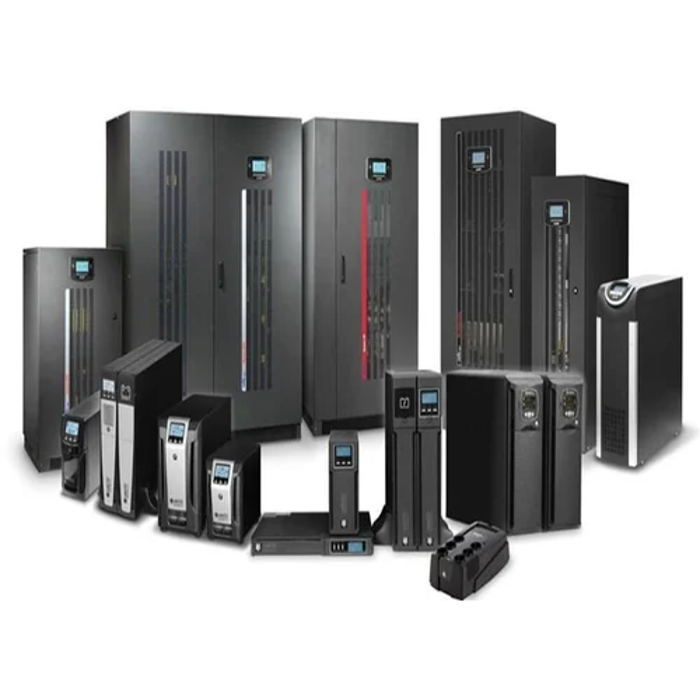


In today’s fast-moving industrial environment, even a few seconds of power failure can lead to production loss, equipment damage, and costly downtime. That’s why investing in the right Industrial UPS (Uninterruptible Power Supply) system is not just a technical decision—it’s a business-critical one. If you are searching for reliable power protection solutions, understanding how to choose the right UPS system is essential. In this guide, we’ll break down the key factors to help you make the right decision and ensure uninterrupted operations for your facility.
What Is an Industrial UPS System?
An industrial UPS system is a high-capacity power backup solution designed to support heavy-duty machinery, automation systems, manufacturing lines, and critical infrastructure during power interruptions or voltage fluctuations. Unlike standard office UPS units, industrial UPS systems are built for high loads, harsh environments, and continuous operation. They ensure smooth power delivery without disruptions, even in demanding conditions.
1. Understand Your Power Requirements
The first step in choosing the right UPS system is calculating your total power load. This includes:
• Production machinery
• Control systems (PLC, SCADA)
• Servers and communication systems
• Safety and monitoring equipment
Always consider both running load and startup surge (inrush current). Industrial machines like motors and compressors can draw 3x–8x more power during startup. If ignored, this can lead to UPS overload or shutdown. A good rule is to select a UPS with 20–30% extra capacity for future expansion and safety margin.
2. Choose the Right UPS Topology
Industrial UPS systems generally come in three types:
Online (Double Conversion) UPS
This is the most reliable option. It continuously converts power to provide clean, stable output. Ideal for:
• Manufacturing plants
• Data centers
• Sensitive automation systems
Line-Interactive UPS
Offers voltage regulation and moderate protection. Best for less critical industrial applications where power fluctuations are not extreme.
Standby UPS
Used only for basic backup needs. Not suitable for critical industrial environments due to slower switching time.
For most industrial operations, Online UPS systems are highly recommended due to their superior protection.
3. Evaluate Battery Backup Time
Your backup time depends on your operational needs:
• 5–15 minutes: Safe shutdown or generator start
• 30–60 minutes: Short production continuity
• 2+ hours: Extended outage support
Battery type also matters. Traditional VRLA batteries are cost-effective, while lithium-ion batteries offer longer life, faster charging, and lower maintenance costs.
4. Consider Environmental Conditions
Industrial environments are often harsh, so your UPS must be durable. Check for:
• High temperature tolerance
• Dust and moisture protection
• Vibration resistance
• Proper ventilation and cooling
Poor environmental planning can significantly reduce UPS lifespan and battery efficiency.
5. Look for Scalability and Redundancy
Modern industries grow fast, so your UPS system should grow with you. Choose a modular or scalable UPS that allows:
• Easy capacity expansion
• Parallel redundancy (N+1 systems)
• Load sharing for improved reliability
This ensures uninterrupted operations even if one module fails.
6. Check Monitoring and Control Features
Advanced UPS systems offer smart monitoring features like:
• Remote diagnostics
• Real-time load tracking
• Alerts and fault notifications
• Integration with SCADA or building management systems
These features help prevent failures before they happen and reduce maintenance downtime.
Why Choosing the Right UPS Matters
A poorly chosen UPS system can lead to:
• Unexpected production shutdowns
• Equipment damage
• Data loss
• Higher operational costs
On the other hand, a well-designed UPS system ensures maximum uptime, operational efficiency, and long-term savings.
Conclusion
Selecting the right industrial UPS system requires careful evaluation of power load, environment, battery backup, and scalability. Instead of focusing only on price, prioritize reliability, efficiency, and long-term performance. Nextsoft Engineering & Solution (NES)
If you are planning to upgrade or install a new UPS system, working with experienced power solution providers can help you avoid costly mistakes and ensure optimal system design.
For expert guidance and industrial-grade UPS solutions, visit your trusted engineering partner and choose a system designed to keep your operations running without interruption.
FAQ’s
1. What is an industrial UPS system used for?
An industrial UPS system provides backup power during outages and voltage fluctuations. It ensures continuous operation of machines and protects sensitive equipment from damage.
2. How do I choose the right UPS capacity for my industry?
Calculate the total load of all connected equipment and add a 20–30% safety margin. This ensures stable performance during peak load and future expansion.
3. Which UPS type is best for industrial use?
Online double conversion UPS is the best choice for industries. It delivers clean, uninterrupted power without any switching delay.
4. How long can an industrial UPS provide backup power?
Backup time depends on battery size and load, typically ranging from 10 minutes to several hours. It can also be extended using additional battery banks.
5. What are the key benefits of using an industrial UPS system?
It prevents downtime, protects expensive machinery, and ensures smooth production. It also improves overall operational efficiency and system reliability.